I backed Checkout Summit as a founding contributor because I believe it’s needed.
I didn’t need any convincing that the WooCommerce community deserved its own dedicated event. I’ve been in this ecosystem for over 10 years and I know how much knowledge-sharing happens in Slack threads and Twitter DMs and chance conversations at the edges of WordCamps. The problem was never a shortage of smart people, there just wasn’t a room to put them all in at one go.
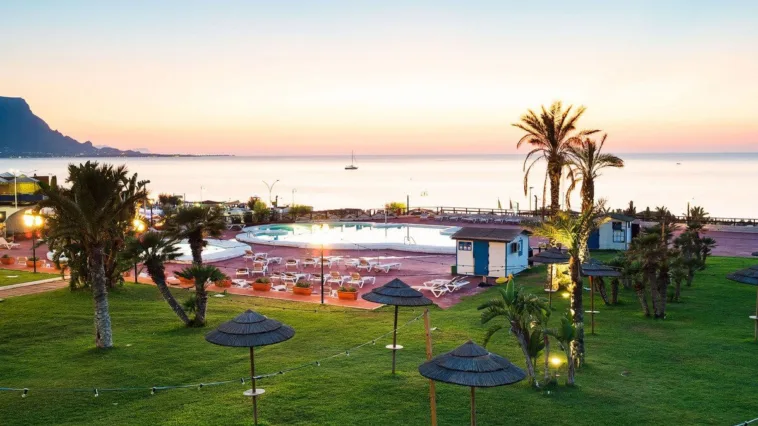
Rodolfo Melogli from Business Bloomer is building that room, and it’s happening in Palermo, Sicily on April 23-24.
What Checkout Summit Actually Is
It’s the first independent IRL conference specifically for WooCommerce makers. Developers, plugin builders, agencies, founders. People who spend their professional lives inside WooCommerce, not just use it.
I asked Rodolfo why this needed to be its own event rather than a louder presence inside existing WordPress conferences. His answer was direct:
I wanted the right audience and didn’t want to get overwhelmed by thousands of people. A super focused, Woo-only, in-person event, where we only talk about Woo.
– Rodolfo Melogli
That’s it. No grand theory. Just the recognition that specialists need a specialist room.
Around 150 attendees. 12 talks. 1 track, which matters more than it sounds.
WooCommerce itself is the headline sponsor. The team at Woo putting their name and budget behind an independently-organized community event signals something about where they see the value in nurturing their ecosystem.
Why This Moment Matters for WooCommerce
WooCommerce powers a massive amount of e-commerce stores. It is, by any reasonable measure, one of the most significant e-commerce platforms on the planet.
For a project of that scale, the dedicated in-person event infrastructure has been surprisingly thin. WordCamps cover WordPress broadly, and there’s genuine value in that. But if you’re building a WooCommerce-specific plugin or running stores at scale, you’ve always been a specialist attending a generalist conference.
Checkout Summit is aiming to finally close that gap.
A Schedule That Shows Where Woo Is Heading
The talks lined up for April 23-24 read less like a curated highlight reel and more like a snapshot of what the WooCommerce community is actually wrestling with right now.
James Kemp, Product Manager at WooCommerce, opens Day 1 with a session called “WooCommerce Unfiltered: Inside the Decisions Shaping the Platform.” That’s the kind of access that rarely happens outside of a room like this. Getting an unfiltered view of product decision-making from inside Woo is genuinely useful, and it’s exactly the kind of conversation that gets watered down when everything is on the record.
Katie Keith from Barn2 is spending a full year building Shopify apps and reporting back on what WooCommerce can learn. That takes guts to put on stage. The comparison between WooCommerce and Shopify is often framed as an existential threat or a marketing argument. A talk that actually digs into the practical differences from someone who has built on both is the kind of thing you can act on.
The AI sessions tell me the most about where the ecosystem is going. Nik McLaughlin from SkyVerge is talking about building from WooCommerce plugin to MCP, covering Woo’s Abilities API. Andrea Cardinali is presenting on using MCP to turn WooCommerce into a data-driven analyst. These aren’t theoretical talks. MCP is already changing how AI interacts with external systems, and the WooCommerce plugin ecosystem is going to feel that shift whether it’s ready or not.

Patrick Rauland closes Day 2 with an apples-to-apples comparison of WooCommerce and Shopify following a large-scale migration. Combined with Katie Keith’s session, that’s two data-rich perspectives on the Shopify question in two days. The WooCommerce community has been arguing about this comparison for years. Having actual practitioners share real migration data is well overdue.
The Format Is the Feature
What I think makes Checkout Summit more than just another event is the intentional smallness.
150 people is a deliberate cap, and at that size, you can structure networking so attendees actually meet each other rather than spending two days bumping into the same three people from their existing circle. The schedule includes multiple breakout sessions across both days, designed around connection rather than just filling time between talks.
The venue, the Saracen Hotel in Palermo, pulls both days of learning and the social program into a single location. Meals, happy hours, the after-party; all in one location. The logistics are designed to keep people in the same orbit long enough for real conversations to happen.
There is also something to be said for the geography. For a community that is genuinely global, the European location makes the trip viable for people who can’t afford to anchor their conference calendar around North American events.

What This Signals for the WordPress Ecosystem
The WordPress event landscape has been through a rough few years. Declining WordCamp attendance, community fractures, and general uncertainty about the future of the project have made a lot of people hesitant about investing in in-person community infrastructure.
Checkout Summit is a counter-signal. It’s community-organized, independently funded, and built specifically for a subset of the WordPress ecosystem that has been underserved by the existing event structure. The fact that it sold close to capacity already and attracted WooCommerce as a headline sponsor on its first edition says something about the appetite that was sitting there, waiting.
I asked Rodolfo what success looks like after the doors close on April 24. His answer was more grounded than you might expect from someone running their first conference:
Great question! Because I have some basic KPIs that will allow me to rationally decide if this is a viable “product” I can keep working on in the long term.
First of all, profit. After 10 months of work, I need to pay myself. If I end up losing my personal money on this, I either need to adjust my budget, or find some alternatives. Or more sponsors, which, by the way, has been super hard.
Second, time-to-kick-off. It took me 10 months to get this first ever conference ready to go (June 2025-April 2026). That’s a lot of work. But thankfully, organizing the next ones should take me less time.
Third, overall feedback. I’ll have enough time to talk to each attendee, and see how the conference went. It’s not easy to create a conference from scratch and get everything right (not even flagship WordCamps are able to do so, imagine my little event!). So, the final survey will tell me if this was worth it for the people.
Finally, ROI for attendees. Going to a conference is expensive in terms of money and time, and I want everyone to make their investment back. Whether it’s a partnership, a paid engagement, an acquisition, a contract, a money-saving strategy, or whatever else, I want everyone to go home with $$$.
– Rodolfo Melogli
That last point is the one I keep coming back to. Community goodwill is not a business model. Checkout Summit is trying to be both, at the same time.
For anyone building WooCommerce products or running WooCommerce stores at any meaningful scale, this is the kind of event that pays back the cost of the ticket inside the first half-day if you show up with the right questions.
I’ll be watching the post-event conversations closely. The real output of Checkout Summit will be the ideas that spread through the community in the weeks after, the partnerships that form in the hallways, and the product decisions that get made differently because someone had the right conversation at a hotel in Sicily.
Are you heading to Palermo in April? And what do you think the WooCommerce ecosystem gains from having its own dedicated event?